What Evidence Is Used to Prove Fault in a Washington, D.C. Car Accident?
 You can use many types of evidence to prove fault in car accidents in Washington, D.C. Notably, police reports, photos and videos, medical records, and witness statements can help establish fault. Telematics and black box data can prove fault, too, especially in more serious or heavily disputed crashes.
Proving fault is very important in D.C. due to the District’s pure contributory negligence rule. A driver even 1% at fault could be barred from recovering any damages under D.C.’s contributory negligence rule. However, D.C. law provides limited exceptions for pedestrians, bicyclists, and certain other vulnerable road users, who may still recover reduced damages depending on their percentage of fault. At Nace Law Group Accident & Injury Lawyers, our car accident lawyers can help gather, preserve, and present the evidence needed to support your claim.
Police reports
Law enforcement officers show up at the scene of many crashes. In the police report, they document the time, date, and location of the accident, log their observations, take statements from the driver and witnesses, note any applicable traffic violations, and may create diagrams of the scene.
Insurers typically give a lot of weight to police reports. If one driver received a ticket for running a red light or speeding, that supports a fault determination for the driver. It does not equate to automatic liability, though.
Police reports are not necessarily the final word or the complete picture, and insurers do recognize this sometimes. For example, in some cases, police officers do not show up in time to document the scene (or are not able to show up at all). In these situations, other types of evidence may become even more important.
Photos and videos from the scene
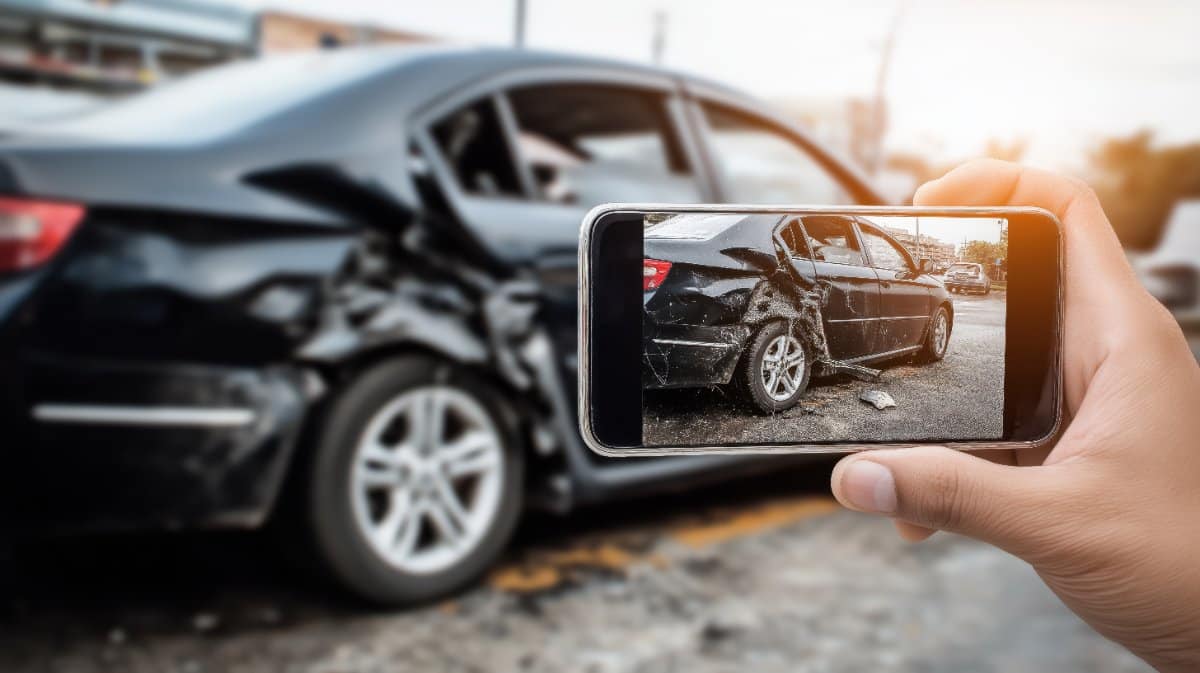
Visual evidence can pinpoint fault and capture details, such as skid marks, that might disappear quickly. If you are capable of doing so, take pictures and videos of the scene and your injuries. Include these, if possible:
- Vehicle damage
- Road and weather conditions
- Skid marks
- Stop signs and traffic lights
- Debris
Skid marks can suggest speed or sudden braking, while a crushed rear bumper could support a rear-end collision claim.
Meanwhile, your car accident lawyer can try to get video evidence from dashcams, traffic cameras, businesses, and homeowners. Washington, D.C., has more than 1,100 miles of roadway, and video evidence is available in some areas. It could show the crash itself occurring and be persuasive in illustrating fault. It can disappear quickly, so your lawyer needs to move quickly to preserve it.
Medical records
Medical records connect your injuries to the car accident and help show how badly you were hurt. Common records include emergency room documents, diagnostic imaging (X-rays, MRIs, etc.), doctors’ reports, treatment plans, and physical therapy notes.
These records may also indicate injuries suggestive of a certain type of collision. For instance, your injuries may point to a side-impact collision or rear-end collision, as your claim asserts. More corroboration of claims is good.
Vehicle damage and other physical evidence
Your car and the other driver’s car can help prove fault in a Washington, D.C., accident. Front-end damage may suggest a head-on or rear-end collision, side damage could indicate a lane-change or failure-to-yield collision, and crumpled corners indicate turning was involved in the crash.
Other physical evidence may include paint transfers, broken car parts, and vehicle debris at the scene and on the road.
Cellphone records and digital evidence
Cellphone records or forensic cellphone analysis can help prove fault by showing a driver was texting, calling, or using phone apps right before a crash. Other useful digital evidence may include GPS data, rideshare app activity, and telematics data. The latter type of evidence could show speeding or hard cornering, for example, but is not always easy to get. Your lawyer may have to work with the vehicle manufacturer, an insurer, a third-party telematics provider, or another company to get the data.
Black box data
Black box data, too, can be used to prove fault. These event data recorders can capture vehicle speed, brake use, steering, and many other variables. However, older vehicles may not have it, and useful data is not always recorded (for example, if the crash did not involve enough deceleration or velocity change to trigger recording). Your personal injury lawyer usually needs to work with specialists and special equipment to download it.
Due to this lack of accessibility, black box data is often most helpful in serious or disputed crashes. In routine crashes, the fault may be obvious. However, if insurers in D.C. persist in arguing you bear some fault, black box data could prove them wrong.
Witness statements
Witnesses may have seen the crash or the vehicles right before the crash. They may attest to right-of-way violations, speeding or aggressive driving, running red lights, and other behaviors.
However, witness testimony can be relatively easy for an insurance lawyer to undermine since memories fade and people can get flustered or misspeak under intense pressure. Your lawyer should interview witnesses as soon as possible to ensure the most accurate statements get recorded.
Accident reconstructions
Experts, using black box data, photos, vehicle damage patterns, skid marks, and more, can reconstruct how crashes happened. They can even develop computer re-enactments of the crash to show fault.
The importance of the evidence used to prove fault in a Washington, D.C., car accident
Ideally, evidence shows how a crash occurred, who acted negligently, and if the injured person shares fault. Given the higher bar to recovering damages in D.C., insurance companies may pore over the evidence and highlight portions that support shifting even 1% fault to an injured driver.
Contact Nace Law Group Accident & Injury Lawyers today
Proving fault after a Washington, D.C., car accident often requires more than just one piece of evidence. Because D.C.’s contributory negligence rule can prevent injured drivers from recovering damages if they are found even partially at fault, building a strong claim is critical. Working with an experienced car accident lawyer can help preserve key evidence, challenge unfair fault allegations, and strengthen your case from the start. Contact us today to learn more.

Samantha L. Peters, a lawyer specializing in medical malpractice and personal injury, joined Nace Law Group in 2022. She previously established a medical malpractice section at a Maryland firm. Licensed in Maryland and DC, she was listed in The National Trial Lawyers: Top 40 Under 40 and Top 100 Medical Malpractice Verdicts.