Metro Center Train Collision Injures 11
 A Metro work vehicle collided with a Silver Line train at Metro Center station early Wednesday morning, injuring 11 passengers. It was the last train of the day, and was reportedly sitting stationary on the tracks just after 12 a.m. when the work vehicle struck it in the rear. There were 27 people on board at the time. Metro stated that the injuries to the 11 passengers were not severe or life-threatening. No staff members reported serious injuries from the crash. The uninjured passengers boarded another train toward Downtown Largo.
Metro service disrupted after the collision
As a result of the crash, Metro told riders to expect significant delays on the Orange and Blue lines in both directions. Trains were single-tracking between McPherson and Smithsonian, and Silver Line trains were limited to operations between Ashburn and Clarendon. Officials told riders to take the Orange Line to New Carrollton and Downtown Largo.
The National Transportation Safety Board (NTSB) arrived on scene on Wednesday morning to investigate the crash. It’s not yet clear what caused the work vehicle to strike the train. Those unanswered questions create public safety concerns for commuters in the area.
Even reported “minor” injuries can still affect riders
Although reports describe the injuries as non-life-threatening or not serious, they may leave victims with lasting harm. Some individuals may not recover quickly, and in some cases, individuals may not realize the extent of their injuries until later. Neck pain, back pain, headaches, and other impact-related injury symptoms often develop after the initial shock wears off.
Injured riders may have legal options
People who are hurt in a public transit collision may face medical bills and missed work. Those losses and costs can quickly add up, even in cases where injuries seem relatively minor. For those individuals, it’s important to learn what caused the crash. They may have questions about what evidence exists and whether it could have been prevented. If the crash is the result of negligence on the part of Metro or its employees, there is a chance that those who were harmed could take legal action to recover for losses like their medical bills.
At Nace Law Group, we represent plaintiffs in Washington, D.C., personal injury and catastrophic injury matters. We frequently handle cases involving motor vehicle accident injuries, including collisions with commercial or city vehicles.
Get medical attention, and speak to an attorney
If you were injured in this crash or another public transportation incident, you should get medical attention right away. Even if you don’t seek care immediately, you should do so if your symptoms worsen. Remember to keep careful records of any treatment and time missed from work. Also, note in detail what happened during the incident while your memory is fresh.
Never hesitate to speak with an attorney if you have questions about your rights and legal options after a Metro-related injury.
Claims against Metro may have specific rules
Claims involving Metro don’t follow the same path as ordinary injury claims. D.C. has its own filing deadlines and notice rules, which place a 3-year limit on personal injury claims and a 2-year limit on wrongful death cases. However, cases against Metro could involve claim-specific issues under the WMATA Compact, including sovereign immunity and other procedural questions that do not arise in an ordinary negligence case.
At Nace Law Group, we can help you through the proper process so that you meet the applicable deadlines and other claim requirements. We represent accident injury victims on a contingency basis, which means we don’t charge attorney fees unless we recover compensation for you. If you or a loved one suffered transit-related injuries or were harmed in another type of accident, call us today or fill out our contact form. We’re ready to support you.
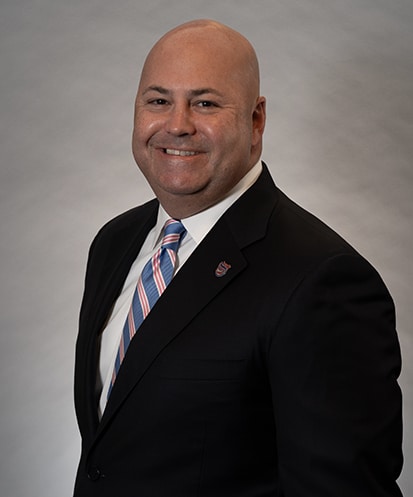
Christopher T. Nace works in all practice areas of the firm, including medical malpractice, birth injury, drug and product liability, motor vehicle accidents, wrongful death, and other negligence and personal injury matters.
Read more about Christopher T. Nace.