A Cancer-Causing Gas in Your Neighborhood — And the Government Just Made It Worse
 There’s a colorless, odorless gas drifting through neighborhoods across the United States right now, and most people living near it have no idea. It’s called ethylene oxide — and the federal government just proposed making it easier for companies to release more of it into the air.
What Is Ethylene Oxide?
Ethylene oxide (EtO) is a chemical gas used to sterilize roughly half of all medical devices sold in the United States — everything from pacemakers and heart valves to catheters, syringes, and surgical gowns. Because it can clean heat-sensitive equipment without damaging it, it’s become indispensable to the medical device industry.
The problem is what it does to the people who breathe it.
Long-term exposure to ethylene oxide elevates the risk of breast cancer and lymphoma, according to the EPA itself, which first classified the substance as a human carcinogen in 2016. Research has expanded that list considerably since then. A growing body of scientific evidence shows that prolonged exposure can significantly increase the likelihood of blood cancers — such as leukemia and lymphoma — as well as malignancies affecting the connective tissues, brain, lungs, breast, and reproductive organs.
The scale of that risk can be staggering. The EPA confirmed that frequent contact with ethylene oxide can boost the odds of developing cancer by as much as 60 times.
Who Is at Risk?
Nearly 14 million people in the United States and Puerto Rico live within five miles of a commercial sterilizer facility. Many of these facilities operate in residential neighborhoods and near schools, in unassuming buildings — creating localized exposures that residents may not even realize are happening.
Children are particularly vulnerable because ethylene oxide remains in their bodies longer than it does in adults. According to the Union of Concerned Scientists, more than 10,000 schools and childcare facilities fall within five miles of at least one commercial sterilization facility.
The burden is not evenly distributed. Environmental justice advocates have noted that many ethylene oxide facilities are located in minority communities, where Black and Brown residents have been exposed to the cancer-causing chemical for years.
What the Government Knew — and When
This is not new science. In 2022, the EPA identified elevated cancer risks in communities located near plants that release this toxic gas — flagging 23 sterilizer facilities in the United States as posing unacceptable risk to people nearby. In Willowbrook, Illinois, Sterigenics — a major sterilization company — was ultimately forced to shutter a plant after monitoring found emissions spikes in nearby neighborhoods. Residents in Laredo, Texas fought a similar battle against a Missouri-based sterilizer that the EPA acknowledged was putting their community at risk.
In 2024, the Biden administration responded by seeking to cut sterilizer emissions by 90 percent — a rule that also required companies to test for ethylene oxide in the air and ensure their pollution controls were functioning properly.
Now the Rollback
On March 13, 2026, the Trump EPA proposed gutting that rule. The new proposal would undo roughly a third of the emissions reductions that would have occurred under the Biden standards — eliminating approximately 7.8 tons per year of reductions that had been projected.
The changes go beyond numbers. The proposal eliminates requirements to use a specific type of emissions-control technology designed to ensure the complete capture of ethylene oxide, and rescinds the requirement for continuous emissions monitoring — giving facilities the option to use a combination of indirect monitoring and periodic performance testing instead.
The practical consequences are serious. Based on the EPA’s own data, the proposal would subject at least 85,000 more people to cancer risks greater than 100-in-1 million compared to the 2024 rule.
The American Lung Association called the proposed change unacceptable. As the association’s vice president put it, the science shows that both short-term and long-term exposure to ethylene oxide is dangerous — and no one should have to live with elevated cancer risk because of air pollution in their community.
What This Means for Injured People
If you or someone you love has been diagnosed with leukemia, lymphoma, breast cancer, or another malignancy, and you live or work near a commercial sterilization facility, that diagnosis may not be a matter of bad luck. Exposure to toxic industrial emissions like ethylene oxide has been the subject of significant litigation — and companies that knowingly release hazardous chemicals while failing to adequately protect surrounding communities can be held accountable.
The law does not require you to prove that regulators failed you. It requires only that the evidence shows a company’s conduct caused your harm.
If you have questions about whether your illness may be connected to ethylene oxide exposure, we’re here to talk.
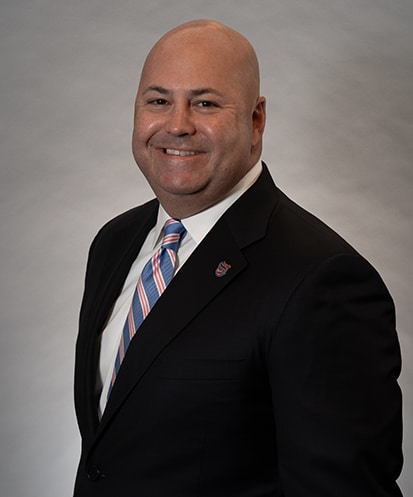
Christopher T. Nace works in all practice areas of the firm, including medical malpractice, birth injury, drug and product liability, motor vehicle accidents, wrongful death, and other negligence and personal injury matters.
Read more about Christopher T. Nace.