How Auto Safety Recalls Affect Personal Injury Claims
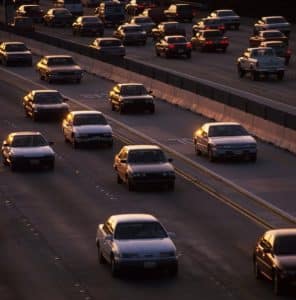
Holding manufacturers accountable for defective cars and car parts in Washington, D.C.
The National Highway Traffic Safety Administration (NHTSA) and car manufacturers often issue recalls when they become aware that any part of a car is unsafe. Recall notices are normally issued to the known purchaser or owner of the vehicles, and to the public.
Recall notices generally inform car owners about the following:
- What make and model of their car is affected by the recall notification.
- What car part is affected by the recall, and why the car part may be dangerous.
- What steps (remedies) can the owner of the vehicle take, such as having a local dealer or mechanic make appropriate repairs.
The National Traffic and Motor Vehicle Safety Act of 1966 (49 U.S.C. Chapter 301) requires manufacturers to notify vehicle owners and purchasers of safety-related defects or noncompliance.
Resources for auto recall information
Users of the website may search for recall notices by vehicle, car seat, tire, or equipment. For example, to search for a vehicle recall, the user can either enter their state and license plate number, their Vehicle Identification Number (VIN), or the make and model of their car.
The manufacturer should also notify owners (of the vehicles that the recall notice covers) by first-class mail.
What information will an NHTSA vehicle recall search disclose?
If you search for a vehicle by entering the license plate number or VIN, the NHTSA recall website will disclose whether your vehicle needs to be repaired as part of a recall. If you search by using a car’s year, make, and model — or for car seats, tires, or equipment — the search results will inform you of any recalls and manufacturer communications related to that vehicle or equipment.
A VIN search can show whether there are open (unrepaired) safety recalls or whether the recalls have already been repaired.
You may need to do additional searches, since VINs are added continuously.
A license plate or VIN search may not disclose all safety recall information for the following reasons:
- The NHTSA VIN lookup shows unrepaired recalls issued within the last 15 years, although recalls may exist outside that window.
- Some recalls may not appear in the VIN tool for low-volume manufacturers, incomplete vehicles, trailers, or specialty equipment.
- There are manufacturer customer service or other non-safety recall campaigns.
According to the NHTSA website, you can use an app (called SaferCar) that will send you an alert on your phone if it finds a safety recall for the vehicle or equipment you entered. You can also sign up for general recall alerts by email. There are separate SaferCar apps for iOS and Android.
Can I file a complaint with the NHTSA?
Users can also use the NHTSA’s Report a Safety Problem website to file complaints with the NHTSA about vehicle, car seat, tire, or equipment problems that may be a safety defect.
The NHTSA investigates consumer complaints.
When does a manufacturer issue a recall?
A car manufacturer may be required to issue a recall if the NHTSA directs the manufacturer to issue a recall. A car manufacturer can also issue a recall on its own based on its own knowledge and investigation that a car part is dangerous.
If I’m in an accident, can a recall notice help my lawsuit?
A recall notice from the NHTSA or from a manufacturer may be useful. If a part of your car is defective, then experienced personal injury lawyers can file a product liability claim against the manufacturer on three grounds:
- Strict liability. Washington, D.C., courts generally recognize strict product liability principles, focusing on whether a product was unreasonably dangerous and caused injury. For example, car parts may be defective due to design defects, workmanship defects, failure to provide appropriate instructions, or failure to provide appropriate warnings.
- Breach of warranty. Manufacturers may make express warranties and implied warranties may also apply. If a part of the car that is covered by the warranty is defective and the defect causes an accident, then a qualifying purchaser or owner who suffers injuries due to the accident may be able to file a breach of warranty claim.
- Manufacturers may be liable for failing to take reasonable steps to determine if the car parts they manufacture are safe. These steps may include conducting tests to examine the safety of the car parts.
If the NHTSA or the manufacturer issues a recall notice for the specific car part that caused the accident, our Washington, D.C., car accident lawyers can seek to admit the recall notice into evidence. Recall notices may be admissible for limited purposes, such as notice or feasibility, but not by themselves to prove defect or negligence.
A recall may help show that the manufacturer had notice of a safety concern, but it does not by itself prove that the product was legally defective.
It is not necessary that a recall notice was issued for car accident victims to file a product liability claim.
Manufacturers may face civil penalties, and in cases of knowing and willful violations of federal recall or reporting laws, criminal enforcement by the U.S. Department of Justice.
What types of car parts may be defective?
Parts of a car that may be defective include an ignition switch, fuel lines, windshield wipers, airbags, seatbelts, tires, an engine part, or other parts of a car. Other possible defects include cars that accelerate unexpectedly, vehicles that have a propensity to roll over, and defects involving electric vehicles.
Who is liable for defective car parts?
The liable defendants may include:
- A car manufacturer
- A car part manufacturer
- A car distributor
- A car dealer
- A repair shop
Call us if you are in a car accident due to a defective auto part
If you are injured in a car accident due to a defective car part or a loved one dies due to a defective car part, Nace Law Group is ready to help you. We have long-term experience handling car accident claims. We handle both personal injury claims and wrongful death claims.
Please contact us to schedule a free consultation.
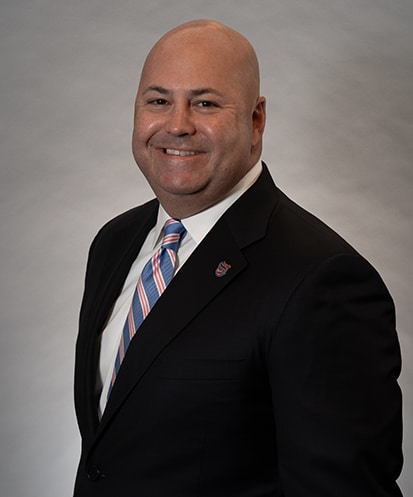
Christopher T. Nace works in all practice areas of the firm, including medical malpractice, birth injury, drug and product liability, motor vehicle accidents, wrongful death, and other negligence and personal injury matters.
Read more about Christopher T. Nace.