How Clean is Your Local Hospital?
Patients in hospitals face an increased risk of contracting an infection or illness while they are there, even under the best of circumstances. But when a hospital does not follow protocol to keep its equipment sterile and in proper working order, the risk to patients increases exponentially.
 This is what appears to have happened to Southern Maryland Hospital, once ranked among the better hospitals in Maryland for infection rates. A mere year later, the facility was named the “worst department we have seen and received the lowest assessment rankings and scores” by an auditor, according to OutpatientSurgery.net. The article goes on to say that “an initial audit determined that OR instrument technicians didn’t understand the distinction between dirty and clean areas and weren’t removing their dirty gloves before assembling cleaned instruments for sterilization. The more extensive audit that followed found ‘major areas of non-compliance with industry standards, regulations and best practices’ and a “total lack of knowledge and management of the sterilization processes’” (emphasis ours).
The manager of the department was forced to resign, and no new complaints have been lodged that we could find against that department. Articles like these, however, remind us how important it is that we demand accountability from medical professionals and hospital staff at all times.
Common hospital acquired infections (HAIs)
Some HAIs are more common than others. They include:
- Central line-associated bloodstream infections
- Catheter-associated urinary tract infections
- Surgical site infections (specifically colon surgery and abdominal hysterectomies)
- MRSA bloodstream infections
- Clostridium difficile infections
It is, of course, impossible to keep any medical facility 100% sterile: there are too many people and there is too much happening at any given time. Maintaining proper protocol when it comes to cleanliness can, however, lower the number of HAIs (and patients’ risks for developing them) in a specific facility. Based on new research from the Centers for Disease Control, Washington D.C. hospitals and Maryland hospitals reported fewer HAIs in 2013 (the most available data) than they did the previous year.
Discover how Nace Law Group can help you
Hospital acquired infections are serious, and some can be deadly if not treated quickly. At Nace Law Group, we can help. If you have developed an HAI because of unclean or unsterile hospital equipment, please call 202.463.1999, or fill out our convenient contact form to schedule a consultation.
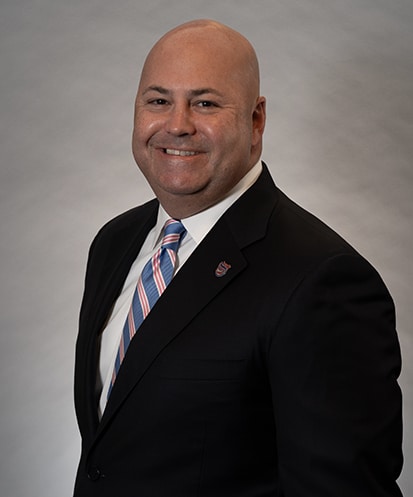
Christopher T. Nace works in all practice areas of the firm, including medical malpractice, birth injury, drug and product liability, motor vehicle accidents, wrongful death, and other negligence and personal injury matters.
Read more about Christopher T. Nace.