
Can I Recover Compensation If I’m Slightly at Fault for an Accident in Washington, D.C.?
 No, as a general rule, you cannot recover compensation if you are even slightly at fault for a car accident in Washington, D.C. Limited exceptions may exist under the last clear chance doctrine, child capacity rules, and D.C.’s statute protecting pedestrians and vulnerable users, such as bicyclists, scooter riders, motorcyclists, etc. These exceptions only apply in certain situations, though. The good news, so to speak, is that in some cases, proving lack of fault may be more realistic than people initially assume. A car accident lawyer can investigate your case and explore whether you are at fault.
Why can’t I get compensation if I am 1% at fault in Washington, D.C.?
D.C. follows a pure contributory negligence system. Under it, you can pursue compensation for injuries if you are 0% at fault. If you are just 1% or more at fault, you typically cannot recover damages. This is not the case in many other states.
A driver injured in a D.C. car accident may have a high, strict bar to clear to recover compensation. Insurance companies often argue that the driver shares some responsibility. They can deny a claim if their investigation finds even a minor share of fault.
How successful are insurers at arguing 1% or more fault?
It depends on the facts of the situation and if a car accident lawyer is able to rebut the insurer’s claims. Often, these claims lack proof of fault and are not automatically accepted.
For example, an insurer, as a negotiation strategy, may say you are partially at fault because you drove a bit above the speed limit. That said, you are not automatically out of luck if you drove 3 mph above the speed limit and another driver ran a red light and crashed into you. You speeding 3 mph more than the posted speed limit may not have been a meaningful factor in causing the crash.
Insurers may still bring up these types of arguments in hopes you accept them. A minor traffic violation does not automatically bar recovery unless it meaningfully contributed to causing the accident. Motor vehicle accident lawyers conduct their own investigations to figure out what really happened.
Insurers may not pursue claims of fault as strongly in some types of accidents. They include:
- Rear-end collisions
- Crashes involving running stop signs or red lights
- Crashes with a driver under the influence
- Illegal turns
- Distracted driving
These cases tend to have strong evidence from the outset that one driver is completely responsible. Regardless of your accident type and the evidence at the start, the fault picture may shift as the investigation takes fuller shape. For instance, telematics data could be illuminating, and new witnesses might come forward.
Do not take the conclusion for granted if an insurance company says you bear contributory negligence in the crash. The unfolding investigation may arrive in a different place.
What if I feel I am slightly (or more) at fault?
This is a natural feeling because you know your own actions. However, keep in mind that you do not know the entire story. Was the other driver on his phone? Was the other driver drunk? How significant was your transgression in what happened? Would the accident have happened regardless? There’s no way to know without having the whole picture.
Consider consulting with a car accident lawyer before accepting what an insurance company might tell you. Avoid statements such as, “I’m sorry,” “I didn’t see you,” or “It was my fault,” at the scene and during other stages. You are not automatically stuck if you make statements along these lines, but they can complicate your case.
How can I show I’m not at fault for a car accident in Washington, D.C.?
The general investigation and your car accident lawyer’s investigation may delve into several types of important evidence.
- Photos and video: Dashcams, traffic cameras, business cameras, or security cameras might have recorded the entire crash. Meanwhile, photos can show your injuries, vehicle damage, skid marks, and road hazards.
- Police reports: Insurers often rely on the officers who documented initial driver statements, road conditions, possible traffic violations, and other variables.
- Witness reports: Neutral witnesses may corroborate that one driver ran a red light or failed to yield.
- Black box data: The data recorded before a serious or heavily disputed crash might show a vehicle’s speed, brake use, and steering inputs, to name just three possibilities.
What are the major exceptions to recovering compensation if I’m slightly at fault (or more) in Washington, D.C.?
In 2025, D.C. traffic data shows 80 major injuries for pedestrians and 56 for bicyclists. Both groups can recover damages in motor vehicle collisions under a limited comparative negligence rule if they are 50% or less at fault. The percentage of damages they can recover goes down by their share of fault.
Under the last clear chance doctrine, people in disabled or stalled vehicles or other situations in which one driver clearly saw or knew about the danger, could have done something to avoid the accident, but did not, may qualify for an exception.
A simple example of the last clear chance doctrine could be when a driver saw a vehicle stopped in the middle of the road, had enough time to avoid it, but plowed into it anyway.
Very young children can be another exception. Depending on their age, intelligence, and experience, they might lack the maturity to fully grasp traffic dangers. If a 5-year-old suddenly darts into the street to get a ball and a driver hits the child, compensation may still be possible for the child and their family.
Meanwhile, take cases involving intentional harm, perhaps when a driver hits another vehicle on purpose or engages in acts of road rage. Intentional misconduct or deliberate harm by another driver may limit the availability of contributory negligence defenses. A lawyer can work to prove that the driver’s behavior was not mere carelessness.
Get in touch with Nace Law Group Accident & Injury Lawyers
While you generally cannot recover compensation if you are even slightly at fault for an accident in Washington, D.C., an exception may exist in your case, or you might lack fault despite what insurers are telling you and can recover compensation. Contact us today to find out possible next steps.
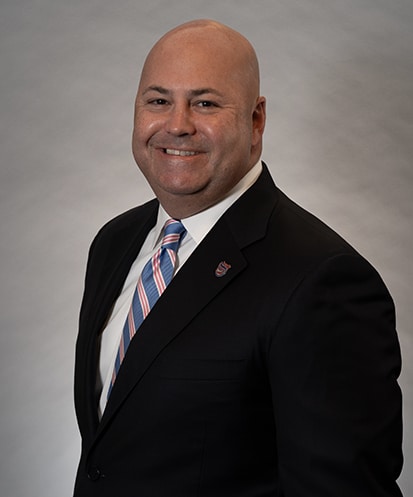
Christopher T. Nace works in all practice areas of the firm, including medical malpractice, birth injury, drug and product liability, motor vehicle accidents, wrongful death, and other negligence and personal injury matters.
Read more about Christopher T. Nace.